We Can Build Housing, But Where Will We Live?
I’ve built my life and my business through access to community. Truly, my entire career exists because people opened doors and I had the ability to walk through them. And I want to acknowledge the privilege built into that. I’m a Caucasian Canadian woman with childcare support that allows me to attend events, networking gatherings, and creative spaces. And even for me, it’s a struggle.
Imagine if I had any other barrier: mobility, sensory, financial, or otherwise. Especially in a city full of heritage buildings that are not built for inclusion.
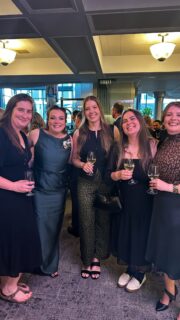
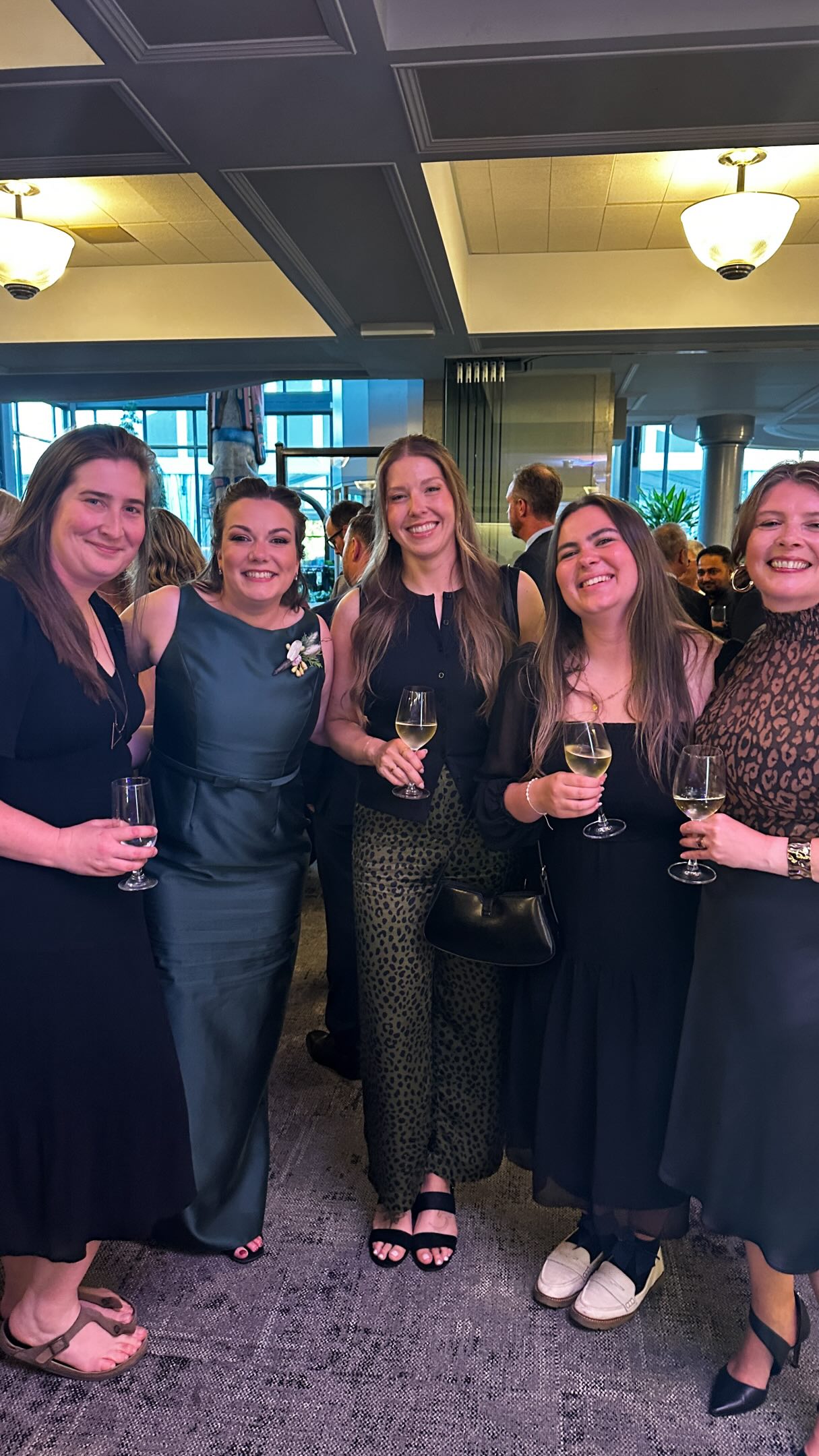
The rooms where Victoria comes alive include women’s business lunches at the Union Club, Think Local brunches and meetups, Design Victoria Programs, First Fridays at Junction Cidery, International Women’s Day at Kwench Culture Club, and South Island Prosperity Partnership Events. These are the places where ideas collide, collaborations spark, and belonging becomes real. Community happens in rooms.
But in recent years, access to those rooms has slipped further from my reach. I am a part-time solo parent of two young boys. Childcare makes evening events nearly impossible. I used to take noon-hour jazz dance at Raino Dance every Wednesday, one sacred hour to reconnect with my creativity. Slowly, those moments disappeared, not because I stopped wanting them, but because life circumstances and the increasingly unsafe state of downtown made participation genuinely hard.
As we move toward 2026, I keep circling back to a bigger question that goes beyond housing policy and speaks to the core of what kind of city we are building:
Are we building housing, or are we building a life?
When we talk about affordability, we talk about the units. How many bedrooms. Who qualifies. What the subsidy is. And yes, these are crucial conversations. But they are not sufficient.
Housing is essential.
But housing alone does not create a life worth living.
So I want us to ask:
- Where will people gather?
- Where will newcomers build social circles?
- Where will they dance, rehearse, learn, and take classes?
- Where will they see shows, make friends, or meet collaborators?
- Where will families go in the winter that is not a mall or fast food restaurant playgym?
- Where will young artists experiment without being priced out?
- Where will people remember what it feels like to belong?
- Where will we find a sense of wonder and expansion in our city?
These are not frivolous questions. They are the backbone of why people choose not just to live in a place but to stay.
Right now, we are losing too many of the spaces that make those moments possible. Rehearsal rooms. Performance venues. Accessible arts programming. Safe late-night cultural hubs. Community spaces that stay open during the hours real humans need them.
These spaces are disappearing at the same time we are building more housing units around them.
Meanwhile, commercial spaces remain empty.
We subsidize rent but allow the cultural ecosystem that gives that rent meaning to erode.
A vibrant downtown is not created by condos alone.
It is created by reasons people want to leave those condos and walk out their front doors.
Life between the buildings is as important as the buildings themselves.
If Victoria is serious about affordability, it must be equally serious about creating access to a life. That means:
- funding arts and culture with the same conviction as housing
- treating rehearsal and performance spaces as essential infrastructure
- ensuring movement, expression, and connection remain within walking distance
- designing a downtown where families, artists, workers, and newcomers all feel they belong
A city without culture is a place people simply pass through.
A city with culture is a place people commit to.
My hope for 2026 is that we broaden the conversation. Yes, build the units. Yes, subsidize where needed. But also protect and invest in the cultural, educational, and community spaces that make a city feel alive.
We cannot afford to separate housing from the life that surrounds it.
We should not ask people to settle for shelter when what they deserve is community.
If we truly want people to live here, we must build more than places to sleep.
We must build places to live.
If you want to support the community and cultural projects already underway, here are a few to explore:
Capital Culture Project >
United Commons >
716 Johnson Street >